Read online The Benin Plaques: A 16th Century Imperial Monument (Routledge Research in Art History) - Kathryn Wysocki Gunsch file in ePub
Related searches:
The Benin Plaques: A 16th Century Imperial Monument - 1st Edition
The Benin Plaques: A 16th Century Imperial Monument (Routledge Research in Art History)
The Benin Plaques: A 16th Century Imperial - Amazon.com
The Benin Plaques: A 16th Century Imperial Monument African Arts
The Benin Plaques: A 16th Century Imperial - Project MUSE
COMPAS MAGAZINE: (PDF) The Benin Plaques: A 16th Century
New book: “The Benin Plaques, A 16th Century Imperial
The Benin Plaques, A 16th Century Imperial Monument - Amazon.fr
The Benin Plaques: A 16th Century Imperial Monument Routledge
The Benin Plaques A 16th Century Imperial Monument
The Benin Plaques: A 16th Century Imperial Monument: Wysocki
The Benin Plaques: A 16th Century Imperial Monument by
Cast brass plaques from Benin city, Nigeria, 16th century Stock
Benin Plaque Made by edo 16th - 17th century Materials: brass
16th Century Benin Plaque to be auctioned for $800,000-1
The plaques show aspects of benin court life in the sixteenth century, shortly after europe's first contact with west africa.
23 jan 2020 the benin bronzes, some of africa's greatest treasures, were looted in 900 brass plaques, dating mainly from the 16th and 17th centuries,.
The benin plaques a 16th century imperial monument 1st edition by kathryn wysocki gunsch and publisher routledge. Save up to 80% by choosing the etextbook option for isbn: 9780429679469, 0429679467. The print version of this textbook is isbn: 9781351254601, 135125460x.
View and buy royalty free and rights managed stock photos at the british.
Made in what is now modern nigeria in the sixteenth century, the benin plaques are actually made of brass, not bronze. They are each about the size of an a3 piece of paper and show figures in high relief that celebrate the victories of the benin ruler, the oba, and the rituals of the oba’s court.
The bronze plaques were so intricately created that individuals and occasions can be accurately identified today. Some of the benin bronzes used as a means to record achievements and history of the kingdom can be dated back to the 15th and 16th centuries, the same period as the european early renaissance period.
Plaque en bronze, edo, royaume du benin, nigeria, xvie-xviie siècles edo brass head representing a ruler, benin kingdom, circa 15th - 16th century, nigeria�.
A seventeenth-century dutch visitor to the court of benin, olfert dapper, described the sprawling palace complex—with its many large courtyards and galleries—as containing wooden pillars covered from top to bottom with rectangular cast brass plaques.
Cast brass plaques from benin city (british museum) british museum room 25 costume mask benin 16th century 1 17022019 5138.
2 oct 2020 oba's palace, brass plaque, now in british museum (16th century) • view of benin bronze plaque estimated to date back to the 16th century.
The 16th century bronze plaques from the kingdom of benin are among the most recognized masterpieces of african art, and yet many details of their.
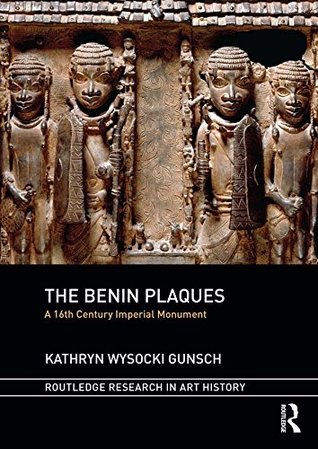
The benin plaques, a 16th century imperial monument is a detailed analysis of a corpus of nearly 850 bronze plaques that were installed in the court of the benin kingdom at the moment of its greatest political power and geographic reach.
English: cast brass plaques from benin city (the benin bronzes), which were probably cast in the 16th century to decorate the oba's palace.
5 x 41 cm, edo people, benin, nigeria © trustees of the british museum this plaque has the figure of the oba in the centre, dressed in a loin-cloth with a plaited border and a close-fitting, sleeved upper garment, covered with cylindrical beads.
Reflecting benin’s global connections, the incised flowers may have islamic or european origins. Called ebe-amẹn (river leaves) they are identified with olókun, god of the waters. The interlaced side motifs may connect several early plaques also linked by topic and style. The palace plaques were in storage before the 1897 siege of benin.
Bronze plaque made in the early 17th century showing a central figure of an oba or chief flanked by two attendants, with two smaller portuguese figures in the background, probably hung on the palace wall at the court in benin.
The benin plaques a 16th century imperial monument 1st edition by kathryn wysocki gunsch and publisher routledge. Save up to 80% by choosing the etextbook option for isbn: 9781351254595, 1351254596. The print version of this textbook is isbn: 9781351254601, 135125460x.
The benin plaques: a 16th century imperial monument routledge research in art history: amazon.
In the early 16th century, the oba sent an ambassador to lisbon, and the king of portugal sent christian missionaries to benin city. Some residents of benin city could still speak a pidgin portuguese in the late 19th century.
There are over nine hundred plaques of this type in various museums in england, europe and america. Many of the plaques now in the british museum were collected during the british punitive expedition in 1897.
They were invariably represented wearing sixteenth-century european dress, with long hair, flowing beards, and moustaches. These depictions symbolized the wealth that the obas (kings) of benin derived from foreign trade. One of the chief commodities imported from portugal was the copper from which the plaques were made.
1 sep 2019 and there the matter rested—until the publication of kathryn wysocki gunsch's remarkable the benin plaques: a 16th century imperial.
The 'benin bronzes' (made of brass and bronze) are a group of sculptures which include elaborately decorated cast plaques, commemorative heads, animal and human figures, items of royal regalia, and personal ornaments.
Eight wall plaques from the royal palace, each approximately 19 inches high, are grouped in the second section of the gallery. With their depictions of kings, chiefs, warriors and courtiers, the plaques served as remembrances of benin's past and provided illustrations for benin's oral historians.
Benin bronzes came to europe, and their artistic value was determined� monumental art for benin of the 16th and 17th century at all' (1898: 153).
Warrior on a pair of brass plaques, benin late 16th century -important chief of benin kingdom -chief is depicted wearing war tunic made of leopard skin, choker, collar of leopard claws, decorative leopard chest panel.
Plaque portuguese explorers and traders arrived by sea in the kingdom of benin in 1485.
Jun 15, 2017 - benin plaque made by edo 16th - 17th century materials: brass technique: lost wax cast made in benin city.
During the sixteenth and seventeenth centuries, a remarkable series of works were created to adorn the exterior of the royal palace in benin city.
16 dec 2020 cast in the 16th and 17th centuries by artists in the ancient kingdom of benin, now part of nigeria, the benin bronzes—actually made of brass.
The plaque under consideration, is of a forward facing man, with an aquiline nose, thin lips, neatly trimmed beard, wearing a sun hat with flaps and looking intently at the viewer. He is dressed in a typical 16th century portuguese style, wearing a decorated tunic with padded shoulders and tight breeches with short boots.
This plaque is one of the relief brass-cast plaques that once used to decorate the palace of the oba (king) in benin city, the capital of the benin (edo) kingdom (in modern.
An important benin bronze plaque 16th century of rectangular form with the figure of an oba cast in high relief, standing with a bird staff, ahianmwen-oro, in the left hand, the right hand at his side, wearing a tall beaded collar, a beaded headdress with additional bead clusters and flanking tassels, a conical projection, itoto, at the top of the head with feather to one side, a double strand.
Fifteen bronze plaques, from a 16th-century installation in the king’s audience courtyard, are also on view in the gallery, and highlight the wealth of this historic empire. The tours below introduce you to life in the palace at the height of its power.
1 day ago the benin bronzes, a group of thousands of artworks looted by the british, a 16th-century edo ivory mask held by the british museum.
Ivory armlet edo peoples, 15th-16th century ad from benin, nigeria this ivory armlet is worn by the oba (king) of benin.
The plaque is a relief made in bronze, though in appearance it looks almost like leather. The color is dark brown and the background is wrinkled as if made of the textile material. The display on the plaque shows three figures standing side by side.
On the ground in front of them are treasures of 16th-century art: brass plaques that decorated the pillars of the oba's palace. Nine hundred of these plaques were found in a storehouse, having.
The kingdom of benin was established in 40bc and was at its height and glory between the 14th and the 16th centuries. We can get an idea of the kingdom’s grandeur and accomplishments from the bronze plaques commissioned by the kings (obas) to commemorate and record achievements during their reign.
There are over 900 brass plaques from benin in various museums in europe and america. The figure at the centre of this brass plaque is the oba - the king of benin in nigeria.
The benin plaques: a 16th century imperial monument (routledge research in art history) - kindle edition by wysocki gunsch, kathryn.
Dimensionsh x w of early 17th century dutch travelers, the oba or king of benin covered the piers.
The benin plaques, a 16th century imperial monument is a detailed analysis of a corpus of nearly 850 bronze plaques that were installed in the court of the benin.
Igun eronmwon (royal brass-casting guild), benin� city, nigeria, 16th century.
Summary: benin plaques at the british museum the museums in europe and america are filled with over 900 plaques whose origin is the king's (oba) palace in benin city. The majority of the plaques currently housed in the british museum were collected during the british punitive expedition of 1897.
• oba sacrificing leopards, brass plaque from benin city, nigeria, now in british museum (16th century) • brass figure of a portuguese soldier holding a musket, now in british museum (16th century).
Of rectangular form with the figure of an oba cast in high relief, standing with a bird staff,.
The benin plaques, a 16th century imperial monument is a detailed analysis of a corpus of nearly 850 bronze plaques that were installed in the court of the benin kingdom at the moment of its greatest political power and geographic reach. By examining european accounts, benin oral histories, and the physical evidence of the extant plaques.
Head, guinea coast, nigeria, benin kingdom, possibly mid 16th or early 17th century. The famous benin bronzes are going home—at least some of them, some of the time.
24 feb 2012 'about' the benin bronze sculptures and plaques that were made in benin city in west africa between the sixteenth and eighteenth centuries.
Download this stock image: cast brass plaques from benin city, nigeria, 16th century. - f9t5k0 from alamy's library of millions of high resolution stock photos,.
Post Your Comments: