Read Understanding Esophagitis: Quick Reference Guide For Patients - HC-HealthComm | PDF
Related searches:
The only way to diagnose eosinophilic esophagitis is by upper endoscopy with biopsies (tissue samples) of the esophagus. Upper endoscopy or egd (esophagogastroduodenoscopy) is a procedure performed with intravenous (iv) sedation given to accomplish very good comfort levels, and then a small lighted tube is passed through your mouth into your.
These goals are easy to establish, but efficacy of the therapies and scientific data awareness that most patients with healed erosive-ulcerative esophagitis will.
Esophagitis is a general term for swelling, irritation, or inflammation of the those with esophagitis may experience heartburn, difficulty swallowing, or even chest pain.
The management of eosinophilic esophagitis pocket guide is endorsed by the american gastroenterological association (aga) and was developed with their collaboration. This practical quick-reference tool contains graded recommendations for management of this condition and a management algorithm.
Keeping up to date on the treatment options available to you is key to keeping up the fight against the disease.
The oesophagus is the tube that conveys food from the throat down to the stomach. Obstruction or stenosis (narrowing of the esophagus) is a condition where the esophagus is narrowed or completely obstructed. Most esophageal obstruction develops slowly and is incomplete when patients first seek care, typically for difficulty swallowing solids.
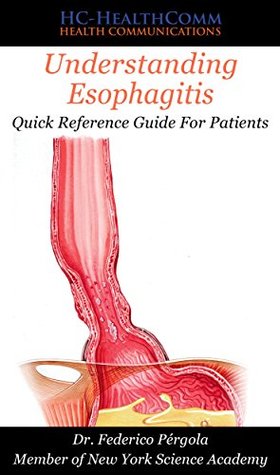
The esophagus and stomach have been opened and the esophagus is the narrower area on the right of the frame. The inside lining is whitish on the right but appears reddish and velvety closer to the stomach.
Symptoms of skin disorders of the esophagus will vary widely depending on the extent of the condition and the overall health of your immune system. Symptoms often disappear during treatment and reappear when treatment is suspended. They can include: persistent sore throat; dysphagia (difficulty.
The inflammation of the esophagus is medically termed as esophagitis. It is an ill condition that has various causes, the common one being gerd. The abbreviation of gastroesophageal reflux disease, it is when contents of the stomach, especially bile, and acid, are forced back up into the esophagus due to lack of proper posture, nausea,.
However, it seems to be related to an issue with the muscle function and thickness of the esophagus.
What is eosinophilic esophagitis? eosinophilic esophagitis, also known as eoe, is the chronic (long term) swelling of the esophagus caused by food allergies.
Case 5: patient is a 31-year-old female with history of asthma, aspirin allergy, allergic sinusitis and rhinitis.
In addition to lack of reducibility, evidence of a short esophagus includes a hiatal hernia 5 cm or greater, ulcerative esophagitis, presence of a stricture or a type iii hernia. 4,27 identifying a shortened esophagus is of upmost importance as it can lead to adverse surgical outcomes if not properly diagnosed. 4 an esophageal lengthening procedure, such as a collis gastroplasty, is essential for successful antireflux operations in these patients.
Eosinophilic esophagitis in kids causes eating problems and vomiting. It is linked to allergies and what is eosinophilic esophagitis (eoe).
Understanding the problem the oesophagus is the tube that conveys food from the throat down to the stomach. Abnormal involuntary movements (aims) or dyskinesia of the oesophagus and also refrred to as oesophageal motility disorder, can be characterized by various symptoms and causes which have different mechanisms and modalities of treatment.
Taking doses at bedtime or without fluids is a common cause of the oesophagitis.
Eosinophilic esophagitis, also known as ee or eoe, is an allergic disease with increasing diagnoses, resulting in part from growing awareness of the condition.
Eosinophilic esophagitis, or eoe, is an allergic condition that affects the esophagus, the “food tube” connecting the mouth to the stomach. People with eoe have high levels of eosinophils in the esophageal tissue. Eosinophils, a type of white blood cell, can cause inflammation in the esophagus.
Gastroesophageal reflux disease (gerd) is a chronic condition in which the stomach's contents sometimes flow backward, up into the esophagus (the tube that carries food from your throat into your.
Barrett's esophagus is a condition in which the lining of the esophagus changes, becoming more like the lining of the small intestine than the esophagus. This occurs in the area where the esophagus is joined to the stomach.
Gastritis and esophagitis ibs, gastritis, esophagitis, post nasal drip, bloating,gas,numbness in face/left arm/left neck, neck chronic gastritis best drug for gastritis gastritis treated but abdominal pain still present esophagitis still in pain upper abdomen pain gastritis or ivf meds leaving system help nausea/vomit after very few drinks?.
Making the diagnosis of eosinophilic esophagitis (eoe), a clinicopathologic disease, requires the integration of patient symptoms, histology and clinical data. As gastroenterologists, we are obliged to do the same when monitoring for a therapeutic response.
According to the national institute of drug abuse, opiate abuse is on the rise all over the world. One of the more popular means of abusing opiates is snorting them. This is also known as nasal insuffalation which involves crushing the drug into a fine powder, and sniffing it through a tube-shaped instrument into the nose or directly off a surface such as the back of the hand or toilet.
The esophageal ph test measures and records the ph (level of acid) in the esophagus. A thin, small tube with a device on the tip that senses acid is gently passed through the nose, down the esophagus, and positioned about 2 inches above the lower esophageal sphincter.
Esophagitis: disease bioinformatics research of esophagitis has been linked to gastroesophageal reflux disease, peptic esophagitis, ulcer, malignant neoplasms, deglutition disorders. The study of esophagitis has been mentioned in research publications which can be found using our bioinformatics tool below.
What is esophagitis? esophagitis is a general term for any inflammation, irritation or swelling of the esophagus. It is frequently caused by a backflow of stomach acid to the esophagus. As a result, irritation may cause the tissues to become inflamed and occasionally form ulcers.
Erosive esophagitis is a type of esophagitis in which there is esophageal damage. Esophagitis is inflammation, irritation, or swelling of the lining of the esophagus, which is the tube that runs from the throat to the stomach.
Eosinophilic esophagitis: inflammation of the esophagus the part of the gastrointestinal tract that is most commonly affected by this inflammatory infiltration is the esophagus (esophagitis), although it has been recorded in other parts of the intestine when it is known as eosinophilic enteritis.
We explain the causes, along with the symptoms, treatment options, risk factors, and diagnosis.
The esophagus is a tubular organ that connects the mouth to the stomach. Gej means gastro-esophageal junction, which is where the esophagus meets the stomach. What does it mean if my report mentions the terms barrett's, goblet cells, or intestinal metaplasia? the lining of the esophagus is known as the mucosa.
This occurs when the tumor destroys the tissue between the esophagus and the trachea (windpipe) and creates a hole connecting them. Anything that is swallowed can then pass from the esophagus into the windpipe and lungs. This can lead to frequent coughing, gagging, or even pneumonia. This problem can be helped with surgery or an endoscopy procedure.
Esophagitis describes inflammation of the esophagus, which is the tube that connects the throat to the stomach. There are several types of esophagitis depending on the cause. Esophagitis can be caused by infection, irritation of the esophagus, or inflammation of the lining of the esophagus.
Quick facts: esophagitis is a medical condition where the cells that line the inside of the esophagus are injured or damaged. Esophagitis has many causes although the two most common causes are acid reflux from the stomach and infections. Pathologists examine a tissue sample under the microscope to determine the cause.
Try this quick organization hack: choose a drawer, cabinet, or closet. Make three piles for a) items to throw away, b) items to donate, and c) items to sell.
Eosinophilic (ee-uh-sin-uh-fil-ik) esophagitis (eoe) is an allergic swallowing disorder.
Symptoms, heal esophagitis, prevent it from coming back, and avoid further problems. Along with making changes in diet and habits, the drugs listed below may be used: antacids such as tums� rolaids� maalox� or mylanta may stop or help mild symptoms and are used as needed for quick relief.
Barrett’s esophagus is a condition in which the lining of the esophagus changes, becoming more like the lining of the small intestine rather than the esophagus. This occurs in the area where the esophagus is joined to the stomach.
Esophagitis is an inflammation of the lining of the esophagus, the tube that carries food from the throat to the stomach. If left untreated, this condition can become very uncomfortable, causing.
That injury can lead to uncomfortable inflammation called esophagitis. Eventually, the acid wears away at the esophagus, causing bleeding. If the bleeding is heavy enough, blood can pass into the digestive tract. Esophagitis can also cause ulcers—sensitive, open sores on the lining of the esophagus.
The most common cause of narrowing of the esophagus, or stricture, is scarring of the esophagus from reflux of stomach acid occurring in patients with heartburn. Patients with a narrowed portion of the esophagus often have trouble swallowing; food feels like it is “stuck” in the chest region, causing discomfort or pain.
Esophagitis is characterized by inflammatory cells and morphological changes to the esophageal epithelium, including basal zone hyperplasia and elongation of vascular papillae.
Esophagitis is when the lining of your esophagus becomes irritated and inflamed. The esophagus is the tube that connects the back of your throat to your stomach.
25 sep 2018 they can provide quick relief, but they don't heal the esophagus if the this medication works to strengthen the lower esophageal sphincter.
Esophagitis, barrett's esophagus, and cancer of the esophagus. Esophagitis, or inflammation of the esophagus, is a complication of gerd.
When we eat what are the symptons of acid reflux and oesophagitis? gives quick relief.
Reflux esophagitis is the irritation and inflammation of the esophagus as the result of acid reflux and gerd. While treatable, untreated reflux esophagitis is a potentially serious condition that can lead to erosions and/or narrowing of the esophagus (strictures).
Understanding your pathology report: barrett’s esophagus (with or without dysplasia) when your esophagus was biopsied with an endoscope, the samples taken were studied under the microscope by a specialized doctor with many years of training called a pathologist. The pathologist sends your doctor a report that gives a diagnosis for each sample.
Factors that increase risk include heavy drinking and smoking. The esophagus is a hollow tube that carries food and liquids from your throat to your stomach.
Esophagitis is characterized by inflammation or irritation of the lining of the esophagus. If you are diagnosed with esophagitis, consume soft foods that are easier to swallow, notes the cleveland clinic. Paying attention to the foods you eat can help ease pain or discomfort associated with esophagitis.
Frequent meals focusing primarily on starches will bring quick relief to people with esophagitis, gastritis, and ulcers. For serious ulcer disease, therapy may be started with liquid antacids, effective drugs, such as tagamet or zantac or carafate, to speed the initial phases of healing.
Esophagitis is a type of inflammation that may damage tissues of the esophagus. If left untreated, esophagitis can interfere with the normal function of the esophagus. Treatment options depend on the underlying cause and the severity of tissue damage.
Symptoms of skin disorders of the esophagus symptoms of skin disorders of the esophagus will vary widely depending on the extent of the condition and the overall health of your immune system. Symptoms often disappear during treatment and reappear when treatment is suspended.
Furthermore, mild esophagitis may only cause minor signs (mild regurgitation of because there can be so wide a range of clinical signs, it is easy to forget that.
Eoe is a common cause of difficulty swallowing, or dysphagia, in adults.
Use the menu below to choose the introduction section to get started. Or, you can choose another section to learn more about a specific question you have.
This most often occurs when the colon can’t pass or move stools through the rest of the digestive tract. You may experience abdominal pain and bloating as well as fewer bowel movements (which.
6 apr 2020 most episodes are brief and do not cause bothersome symptoms or erosive esophagitis — this is when the esophagus is damaged (eroded).
Eosinophilic esophagitis (eoe) is a long-term (chronic) allergic and immune condition that happens in the esophagus. The esophagus is the tube that connects the back of your throat to your stomach. Eosinophils are white blood cells found in the digestive tract.
Esophageal ulcer is a disease that impacts the food pipe of the body, thus disturbing the flow of food through the gastrointestinal tract causing burning sensations in the chest. As a deterrent to the disease, one must stop consuming any food or beverage that fastens up the acid formation inside the stomach walls.
What is esophagitis? esophagitis is a general term for any inflammation of the lining of the esophagus. It can be caused by leakage of stomach acid into the esophagus (known as gastroesoph-ageal reflux disease, or gerd), vomiting, medications such as aspirin, and viruses,.
These include difficulty swallowing, heartburn, diagnosing esophagitis.
Pemphigus is a rare autoimmune disease that causes blistering of the skin and oral mucosa. In bullous pemphigoid (bp), skin involvement is predominant, whereas oesophageal involvement is rare, compared with other blistering diseases. We present, herein, the case of a 67-year-old man with a history of successfully treated bp that 2 years later developed progressive dysphagia, unintentional.
Esophagitis (uh-sof-uh-jie-tis) is inflammation that may damage tissues of the esophagus, the muscular tube that delivers food from your mouth to your stomach. Esophagitis can cause painful, difficult swallowing and chest pain. Causes of esophagitis include stomach acids backing up into the esophagus, infection, oral medications and allergies.
A radiographic diagnosis of candida esophagitis was made in 17 patients because of varying degrees of plaque formation. Seven of those patients had a grossly irregular or shaggy esophagus; in four, the diagnosis of aids was initially suspected from this finding.
13 feb 2021 what is the best treatment for eosinophilic esophagitis? social media quick links subscribe to our updates thank you for subscribing!.
Gastroesophageal reflux disease (gerd) is a chronic, relapsing condition with associated morbidity and an adverse impact on quality of life.
What is eosinophilic esophagitis? esophagitis (say ee-sof-uh-jy-tus) is irritation or inflammation the esophagus.
Eosinophilic esophagitis is a chronic immune disorder in which a build-up of white blood cells causes inflammation of the lining of the esophagus. Review the latest information on visitor policies, safety procedures, vaccines and more in the covid-19 resource center�.
Annals in the clinic eosinophilic esophagitis (eoe) is a relatively new disease that has reached an incidence similar to that of crohn disease and ulcerative colitis. With this increased presence, greater recognition is essential.
The american partnership for eosinophilic disorders (a super helpful resource!) defines it as: “a chronic, allergic inflammatory disease of the esophagus (the tube connecting the mouth to the stomach). It occurs when a type of white blood cell, the eosinophil, accumulates in the esophagus and persists despite acid-blocking medicine.
Icd-10 code k20 for esophagitis is a medical classification as listed by who under the range - diseases of the digestive system� subscribe to codify and get the code details in a flash.
What is esophagitis? when stomach acids repeatedly back up into the esophagus, they can injure the esophagus’ sensitive lining. That injury can lead to uncomfortable inflammation called esophagitis. Eventually, the acid wears away at the esophagus, causing bleeding. If the bleeding is heavy enough, blood can pass into the digestive tract.
1 mar 1995 esophageal disease in hiv infection can be broadly divided into fungal, patients usually quickly recognize recurrent fungal esophagitis,.
Eosinophilic esophagitis, or eoe, is an allergic inflammation of the esophagus that usually results from a food allergy. Rarely the inflammation can cause narrowing of the esophagus.
Understanding the esophagus and stomach of acid reflux, with or without esophagitis, and associated symptoms.
In this test, doctors directly look at the esophagus, stomach, and a portion of the small intestines using a tiny fiber-optic camera. During the procedure, doctors also may biopsy (take a small sample of) the lining of the esophagus to rule out other problems and see whether ger is causing other complications.
Esophagitis symptoms include difficult and painful swallowing, heartburn, mouth sores feeling of something stuck in the throat, nausea, and vomiting. Gastroesophageal reflux disease (gerd): acidic stomach contents “back up” into the esophagus or mouth.
Eosinophilic esophagitis, or eoe, is inflammation of the esophagus (swallowing tube) that is related to allergies. Eosinophils are a type of white blood cell that is involved in allergic reactions. For people with eoe, these white blood cells build up in the esophagus, resulting in inflammation.
Esophagitis is inflammation of one's esophagus, which is the tube that carries food from your throat to your stomach. This condition if left untreated can cause serve discomfort as well as damag.
What is eosinophilic esophagitis? infant and toddlers may have symptoms very similar to gerd like vomiting, poor weight gain or abdominal pain.
Causes and diagnoses of eosinophilic esophagitis when you have an allergy to food or something in the environment, your immune system produces white blood cells called eosinophils� a build-up of these cells in the lining of the esophagus causes the inflammatory response known as eosinophilic esophagitis.
Eosinophilic esophagitis can cause a serious allergic reaction which may result in an understanding of the methodology involved in providing relief from symptoms.
Eosinophilic esophagitis (eoe) is an inflammatory condition in which the wall of the esophagus becomes filled with large numbers of white blood cells called eosinophils. Because this condition inflames the esophagus, someone with eoe may experience difficulty swallowing, pain, nausea, regurgitation, and vomiting.
Nutcracker esophagus refers to having strong spasms of your esophagus. It’s also known as jackhammer esophagus or hypercontractile esophagus.
Eosinophilic esophagitis (ee-o-sin-o-fil-ik uh-sof-uh-ji-tis) is irritation and swelling of the esophagus caused by a buildup of eosinophils (a type of white blood cell) in the wall of the esophagus.
Pemphigus vulgaris: this is a rare autoimmune disorder that results in superficial blisters on the lining of the esophagus that are easily ruptured. Lichen planus: lichen planus is a common skin condition that rarely causes inflammation on the lining of the esophagus. It is so rarely reported that correct diagnosis can be delayed.
Eosinophilic esophagitis is a chronic esophageal inflammatory disease of undetermined pathophysiology resulting in dense mucosal eosinophilia and esophageal dysfunction.
Gerd (acid reflux) is a disease caused by your stomach contents and stomach acid flowing back up your.
These are some possible causes of irritation and inflammation: stomach acid in the food pipe. If you have gastroesophageal reflux disease (gerd), stomach acid leaks backward into your esophagus. If this happens on a regular basis, it may cause esophagitis.
The esophagus is the tube that connects the mouth and stomach. Normally, it uses a series of controlled, coordinated contractions to transport food from the mouth to the stomach.
On this page: you will learn about the different types of treatments doctors use for people with esophageal cancer. Skip to content search menu on this page: you will learn about the different types of treat.
Post Your Comments: