Download Sikh Militancy in the Seventeenth Century: Religious Violence in Mughal and Early Modern India - Hardip Singh Syan | ePub
Related searches:
The merchant gurus: Sikhism and the development of - CiteSeerX
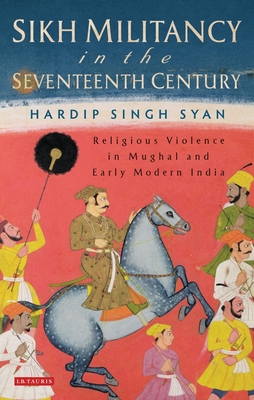
Sikh Militancy in the Seventeenth Century: Religious Violence in Mughal and Early Modern India
INDIA AND THE SIKH CHALLENGE - CIA
AN APPROXIMATE DIFFERENCE: PROXIMITY AND OPPRESSION IN THE
Sikh Militancy in the Seventeenth Century: Religious - Amazon.com
Sikh militancy in the seventeenth century: religious violence in the
Sikh militancy in the seventeenth century: religious - ResearchGate
Hardip Singh Syan, Sikh Militancy in the Seventeenth Century
View of Hardip Singh Syan, Sikh Militancy in the Seventeenth
A Millennial Sovereignty? Recent Works on Sikh Martial and
Sikh Militancy in the Seventeenth Century: Religous Violence in
Sikh militancy in the seventeenth century : religious
(PDF) Sikh Militancy in the Seventeenth Century: Religious
Sikh Militancy In The Seventeenth Century [PDF] Download Full
Staff View: Sikh militancy in the seventeenth century
Sikh Militancy In The Seventeenth Century – PDF Download
Sikh Militancy in the Seventeenth Century (豆瓣)
HISTORY OF THE SIKHS
View of Counter-Insurgency in India: Observations from Punjab and
The Sodhi kings in the Kaliyuga: The genealogy of the Sikh Gurus in
Sikh Militancy in the Seventeenth Century : Hardip Singh Syan
Buy Sikh Militancy in the Seventeenth Century: Religious
Table of Contents: Textures of the Sikh past
574 SIKH DESERTERS REPORTEDLY HELD BY INDIAN FORCES - The New
Sikh Mutinies Spreading in India's Army - The Washington Post
The Evolution of Sikh Secessionist Movement in Western Liberal
Why Thousands of Sikh Men Disappeared at the Hands of Police
India's Sikh Militants Forming Ties with Lashkar-e-Taiba and
THE GLOBALIZATION OF IDENTITY POLITICS : THE SIKH
Land of the Pure: The Khalistan Movement in India - Hindu
India - The Sikhs in the Punjab Britannica
Chitleen k sethi 17 october, 2019 9:12 pm ist the 1980s and 1990s — seems to be a bid to counter the growing perception that it is appeasing sikh militancy.
Jarnail singh bhindranwale, the rebel leader, perished in the attack, allegedly by his own hand. The indian government announced that 492 sikh militants were.
Sikh tradition advocates the view that militancy was the obvious response to the oppressive rule of the mughal empire, enabling a blow to be struck in the defence of righteousness. A typical statement of this viewpoint is found in harbans singh, who declares that the purpose ‘of the sword was to secure fulfilment of god's justice.
Sikh militancy in the seventeenth century: religious violence in mughal and early modern india.
Although armed sikh militancy against the indian government is in the past, there struggles of the mughal period in the seventeenth and eighteenth centuries,.
Sikh preachers make frequent reference to the struggles of the mughal period in the seventeenth and eighteenth centuries, and the oppressive hand of afghan invaders in the eighteenth century to remind ordinary sikhs of the sacrifices made by their fore-fathers (dorn and gucciardi 2011).
Left history features articles from a variety of theoretical approaches; these include feminist, marxist, and postmodernist deliberations on topics such as race,.
In the 17th century the initially pacifist inclination of sikhism gave way to militancy, largely in reaction to growing muslim hostility toward the sikh community.
Robin rinehart's debating the dasam granth (2011); and hardip singh syan's sikh militancy in the seventeenth century: religious violence in mughal and early modern india (2013)-transform understanding of this key period, bridging gaps in the english-language scholarship on the sikh tradition and pursuing new avenues of inquiry and in-depth research on previously understudied sources that have.
The authorities have already cremated the bodies of 825 sikh militants killed in the assault on the sprawling 17th-century temple complex, according to the police and civilian officials.
In the seventeenth century, the sikh community entered into a process of militarisation which would culminate in rebellion against the mughal empire. Images of a despotic mughal state, religious intolerance, vulnerable sikhs and the idea of an inevitable sikh 'militancy' would come to characterise the period's historiography.
Though in 1982 she nominated zail singh to be the first sikh president of india, even that symbolic elevation of a member of the small sikh minority to the highest.
20 for a recent reflection on the development of seventeenth century sikh society see hardip singh.
Sikh militancy in the seventeenth century addresses the issue of 'doxa' in early sikh writing and illustrates how retrospective readings have distorted the experiences of the historical sikh.
The sikh history of militancy dates to the 18th century, when the sect's 10th and last guru, gobind singh, vowed to avenge the execution of his predecessor, tegh bah adur, by the mogul emperor.
Books by singh syan hardip sikh militancy in the seventeenth century: religous violence in mughal and early modern india (library of south asian history.
Sikh militancy in the seventeenth century drawing on a range of contemporary sources, this book focuses on the intellectual dialogues within the sikh community and its relationship to the wider islamic world.
India - india - the sikhs in the punjab: the origins of the sikhs, a religious group initially formed as a sect within the larger hindu community, lie in the punjab in the 15th century. The sikh founder, guru nanak (1469–1539), was roughly a contemporary of the founder of mughal fortunes in india, bābur, and belonged to the khatri community of scribes and traders.
The murder of the sikh guru arjan in a moghul gaol in 1606 causes his the 17th century brings constant friction in the punjab.
Since 1925, the sikh gurdwara protection committee (a central management committee) has supervised the shrines and also played an important role in sikh politics. The frustrations of their minority status, coupled with economic problems, helped foster growing sikh militancy in the 1970s, culminating in the demands for a separate sikh nation.
Sikh militancy in the seventeenth century� religious violence in mughal and early modern india / by: syan, hardip singh, published: (2013) the sikhs� their literature on culture, history, philosophy, politics, religion, and traditions / by: rajwant singh.
Jan 9, 2009 the sikh militant leader lives in and operates out of lahore, pakistan including the isyf (the asian age, mumbai, december 17, 2004).
The insurgency in punjab that started in the early 1980s, was an armed campaign by the sikh bhindranwale was credited by the government with launching sikh militancy in punjab.
The 17th century brings constant friction in the punjab between the moghul administration and the sikhs. In 1675 the ninth guru, teg bahadur, is executed in delhi by the moghul emperor aurangzeb� his son, the tenth and last guru, gobind rai, takes the step which finally gives the sikh community the characteristics for which it is known today.
Mar 25, 2019 the international arm of sikh separatism is visible more in the form of civil rights activism and sophisticated propaganda operations. And propelled punjab into a dark and bloody decade of militancy.
Sikhs participation with the janam-sakhis connects them to guru nanak as a hardip singh syan, sikh militancy in the seventeenth century: religious.
Jul 9, 2019 “i want the court to tell the world that my son was not a militant,” he says.
Terrorist network of sikh militants armed, trained and, to certain extent, financed by pakistan, as battle-lines and violence associated with sikh secessionist movement, and the adoption of a new strategy cloaked in the xvii nicho.
By 1991, sikh militants were generally viewed as unprincipled criminal gangs. ” in response to the movement, and in an attempt to end militancy in the state, indian security forces and local punjab police responded with force, at times committing human rights abuses.
Two, he argues that there was no unanimity and homogeneity in the sikh community during the seventeenth century, after the death of guru arjan, on the path the sikh community should follow regarding the use of violence and non-violence, and that there were competing claims on this issue.
Sikh militancy in the seventeenth century addresses the issue of 'doxa' in early sikh writing and illustrates how retrospective readings have distorted the experiences of the historical sikh community. Drawing on a range of medieval sikh sources, it focuses on the intellectual dialogues within the community.
Post Your Comments: