Download Brain death and brain-stem death: useful fiction for the needs of transplant industry: Interdisciplinary study of neurological criteria for death - Jacek Maria Norkowski | PDF
Related searches:
The Challenges of Defining and Diagnosing Brain Death
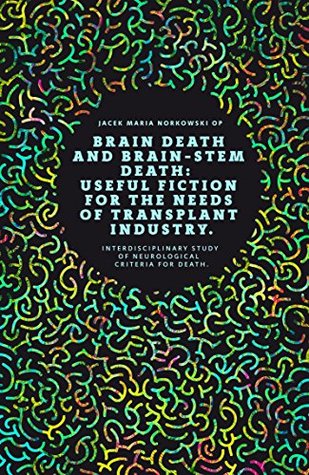
Brain death and brain-stem death: useful fiction for the needs of transplant industry: Interdisciplinary study of neurological criteria for death
Brain death and brain stem death The BMJ
Brain Stem Death A guide for families and friends
Implications of ischemic penumbra for the diagnosis of brain death
CE: Brain Death: History, Updates, and Implications for Nurs
Death - Mechanisms of brain-stem death Britannica
Death - Diagnosis of brain-stem death Britannica
The Presence of Relatives during Brainstem Death - SAGE Journals
Reversal to Whole-Brain Death Criteria After 15-Year Experience
Physiological changes after brain stem death and management of
Guidelines for Brain Death in Children: Toolkit - AAP.org
(PDF) Families and Brain Death - ResearchGate
The Brain
Brain stem death - an overview
Brainstem death - Wikipedia
Brain stem death - Illnesses & conditions NHS inform
Brain Death - PubMed
Brain death - NHS
Diagnosis of brain death - UpToDate
Brain death - CUHK
Understanding brain stem death Great Ormond Street Hospital
Brain Stem Death - stgneuroicu.files.wordpress.com
Brain death - Wikipedia
Cardiac death vs. brain death : Nursing made Incredibly Easy
Brain death causes changes in the cardiovascular, respiratory, endocrine, and metabolic systems, often contributing to significant hemodynamic instability that must be managed in the midst of brain death testing procedures. The brain death testing process is very challenging for families as they grapple with the possibility that their loved one has died.
The main areas of the brain include the cerebrum, cerebellum, forebrain, and brain stem. The cerebrum is divided into 2 halves that have 4 parts, called lobes.
Brain stem death is a confirmation of death based upon a set of criteria that, in general, tests the brain stem reflexes. It is thought that if the brain stem does not respond to these reflexes during the examination, the brain and body are no longer able to communicate and, therefore, the patient does not have a chance at recovery.
When the brain stem stops working, the brain cannot send messages to the body to control our unconscious functions, and equally cannot receive messages back.
The presence of disturbances that are thought to be an effect of brain death rather than the cause of coma do not preclude the diagnosis of brain stem death.
Brain death is the cessation of all brain activity, including all of the activity in the brain stem. It's generally caused by blunt head trauma from accidents, falls, or crush injuries; thrombotic or hemorrhagic stroke, especially when the infarct causes brain herniation; or an anoxic injury that causes the death of brain cells that don't.
Brain death is used as an indicator of legal death in many jurisdictions, but it is defined inconsistently and often confused by the public. Various parts of the brain may keep functioning when others do not anymore, and the term brain death has been used to refer to various combinations.
Polish brain-death criteria, similar to the original harvard criteria, were published in 1984.
Death - death - mechanisms of brain-stem death: from as far back as medical records have been kept, it has been known that patients with severe head injuries or massive intracranial hemorrhage often die as a result of apnea: breathing stops before the heart does. In such cases, the pressure in the main (supratentorial) compartment of the skull becomes so great that brain tissue herniates.
About brain stem death brain stem death is when a person no longer has any brain stem functions, and has permanently lost the potential for consciousness and the capacity to breathe. When this happens, a ventilator keeps the person's heart beating and oxygen circulating through their bloodstream.
Brain stem death or whole brain death? there are differences of the definition of death in different countries even when we apply neurological criteria. In many countries, the neurological criteria include the irreversible cessation of the function of the whole brain including the brain stem.
When they undergo apnoea for the diagnosis of brain death or brain stem. It is, in fact, mathematically predictable, for the brain blood. Flow (bbf) cannot reach the lowest values (capable of triggering neuronal. Necrosis) in patients with progressive intracranial hypertension without.
Brain death (also known as brain stem death) is when a person on an artificial life support machine no longer has any brain functions. This means they will not regain consciousness or be able to breathe without support.
Brain stem death is when a person no longer has any brain stem functions, and has permanently lost the potential for consciousness and the capacity to breathe. When this happens, a ventilator keeps the person's heart beating and oxygen circulating through their bloodstream.
First, the cause of the coma must be ascertained, and it must be established that the patient (who will always have been in apneic coma and on a ventilator for several hours) is suffering from irremediable, structural brain damage.
Advertisement first, one must clarify that everyone dies of brain death. Whether an old person suffers cardiac arrest resulting in the lack of oxygen and nutrients to the brain, or a younger person suffers a gunshot wound to the head resu.
Brain stem death is a complex state of inactivity defined by the loss of reflexes of the pathways that pass through the brain stem, the 'shaft' of the brain which links the spinal cord to the cerebral cortex and the cerebellum where there is apnoea, loss of eye movement and pain sensation.
Death determined by neurologic criteria, commonly referred to as brain death, occurs when function of the entire brain ceases, including the brain stem. Diagnostic criteria for brain death are explicit but controversy exists regarding nuances of the evaluation and potential confounders of the examination.
Search items included: brainstem death, brainstem death testing, brain death, intensive care, relatives, families and witnessed cardiopulmonary resuscitation.
Brain death mandates irreversible cessation of all the functions of the entire brain and brainstem while brainstem death signifies irreversible damage to the brainstem.
(redirected from brain stem death) brainstem death is a clinical syndrome defined by the absence of reflexes with pathways through the brainstem – the stalk of the brain, which connects the spinal cord to the mid-brain, cerebellum and cerebral hemispheres – in a deeply comatose, ventilator -dependent patient.
Live a healthy lifestyle! subscribe to our free newsletters to receive latest health news and alerts to your email inbox.
There has never been one consistent way to determine brain death. By stephanie pappas - live science contributor 10 august 2020 there has never been one consistent way to determine brain death.
Irreversible damage to the brain stem or whole brain is assumed when consciousness and cephalic reflexes remain absent usually for six hours in a patient with.
Brain-stem death may also arise as an intracranial consequence of extracranial events. The usual context is delayed or inadequate cardiopulmonary resuscitation following a heart attack. The intracranial repercussions depend on the duration and severity of impaired blood flow to the head.
We continue to monitor covid-19 cases in our area and providers will notify you if there are scheduling changes. We are providing in-person care and telemedicine appointments.
Post Your Comments: